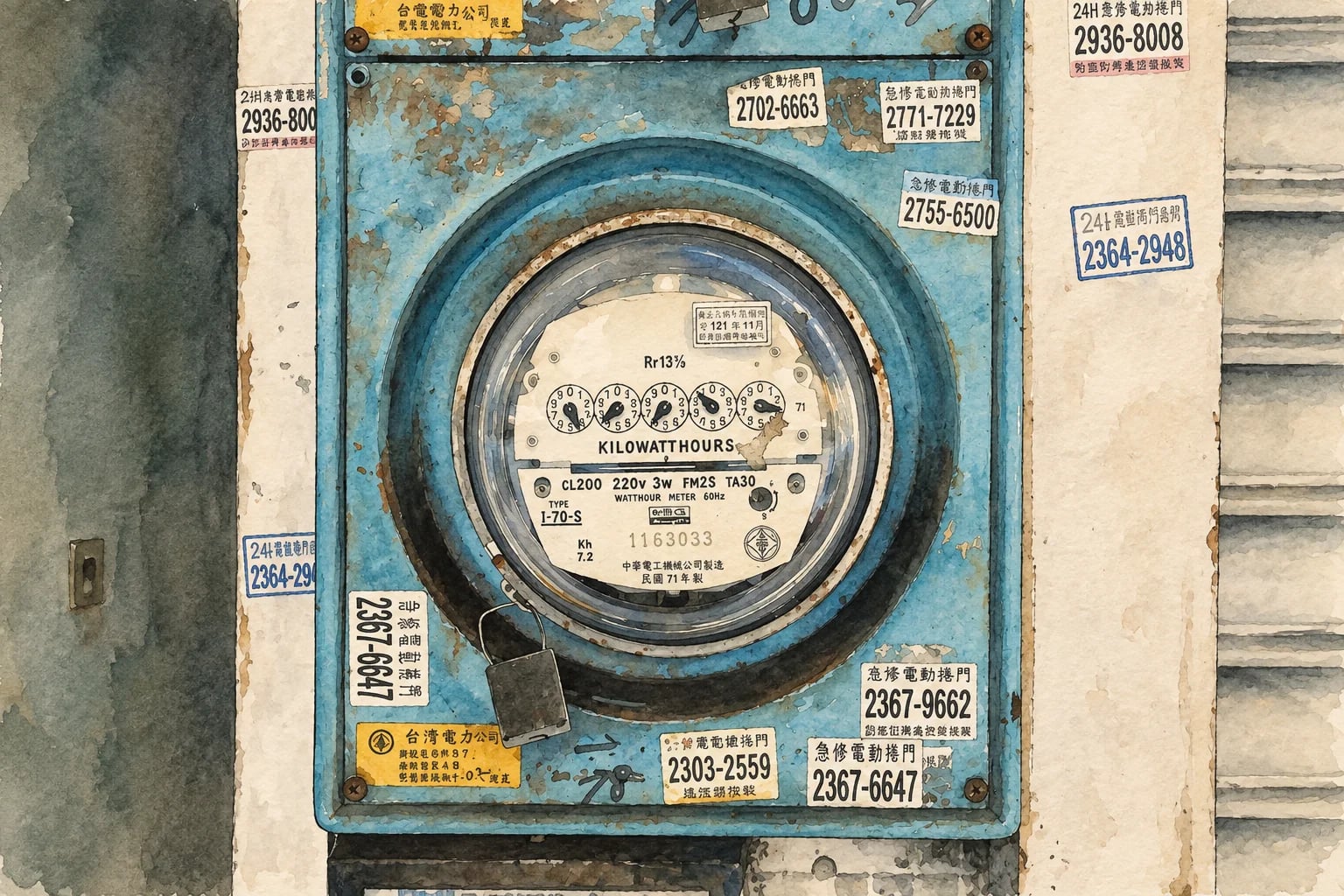
Household Peak-Shaving & Load Shifting
The Prius Effect at Home
Some time ago I read a magazine article about something called the Prius effect.[3]
The idea was that giving drivers frequent, accurate, and readily accessible feedback about their own vehicle's fuel economy could actually change the way they drove. The early Prius made miles per gallon (mpg) feedback visible right on the car's dashboard, updating in real time as it was driven.
One particularly committed group of Prius owners even started calling themselves hypermilers and curated a number of methods to optimize MPG to the extreme. They'd drive on the painted lines of the road to reduce rolling resistance, modify their cars to reduce aerodynamic drag, and draft semi-trailers to mitigate air resistance.[3]
All of this to say, good feedback in this case was credited with influencing behaviors that generally improved fuel efficiency.
Research into household energy consumption and user feedback trends the same way. Reviews of the literature finds that feedback works best when it's frequent, sustained, clearly presented, and broken down by individual appliances. And any feedback provided also needs to be paired with frequent, accurate billing to produce lasting savings.[1][2]
The Prius Effect was a bit of an inspiration to me in my own journey in learning how I might be able to influence the energy consumption behaviors for myself and my family. And if we could identify behaviors that had the intended result of lowering our overall energy consumption, there might be opportunities there to automate those operations throughout our household so that the savings wouldn't be dependent on habits, but on well-devised systems.
The first step in that journey was to determine if some of the assumptions I had around household energy consumption were grounded in evidence or misunderstood.